"It’s not appropriate for someone so iconic. Even in the bedroom, Lincoln is never shown in his pajamas. He’s in his shirt and pants."
Joanna Johnston, movie costume designer.
"But even the President of the United States/Sometimes must have to stand naked."
Bob Dylan.
"How many Bob Dylan songs have the word 'naked' and how many of them can you name?" I challenge Meade with a Bob Dylan test, as I tend to do when I've done a search at bobdylan.com (as I did for the "It's Alright Ma" quote, above).
Meade immediately says "even the President of the United States sometimes must have to stand naked," then none of the others — not even "You see somebody naked and you say who is that man?" — and makes 2 wrong guesses:
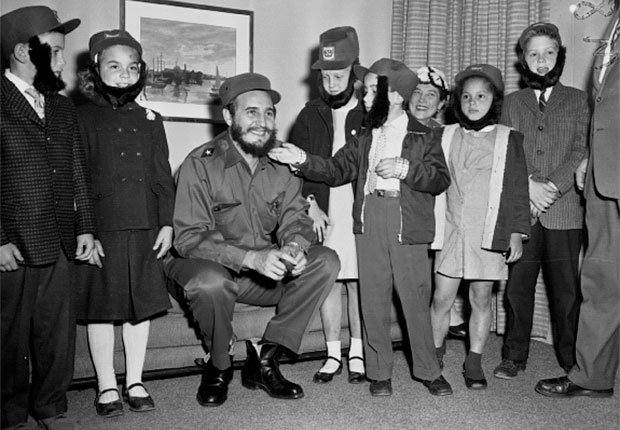
Beards. Fidel Castro made a beard as off limits to an American president — in spite of Lincoln — as Hitler made the mustache. And here I want to go back to that "Becoming Adolf" article by Rich Cohen that were were talking about a couple days ago:
Pick one:


Read more ►
Joanna Johnston, movie costume designer.
***
"But even the President of the United States/Sometimes must have to stand naked."
Bob Dylan.
***
"How many Bob Dylan songs have the word 'naked' and how many of them can you name?" I challenge Meade with a Bob Dylan test, as I tend to do when I've done a search at bobdylan.com (as I did for the "It's Alright Ma" quote, above).
Meade immediately says "even the President of the United States sometimes must have to stand naked," then none of the others — not even "You see somebody naked and you say who is that man?" — and makes 2 wrong guesses:
MEADE: "'Mr. Tambourine Man'... just to dance beneath the naked sky..."In "Motorpsycho Nightmare," Bob Dylan is just trying to get some sleep — no sign that he's sleeping naked — when Rita — "Lookin’ just like Tony Perkins" (i.e., the murderer in "Psycho") importunes him to take a shower. He's freaked out: "Oh, no! no! I’ve been through this [movie] before." Afraid of getting knifed to death, but unwilling to run off unless her father (the farmer) throws him out (because he promised the farmer he'd milk the cows in the morning), his sees his only option as saying "something to strike him very weird." What he says is: "I like Fidel Castro and his beard."
ME: "That's 'diamond sky.'"
MEADE: "The one where the farmer is chasing him out of his house."
ME: "'Motorpsycho Nightmare?' No."
Beards. Fidel Castro made a beard as off limits to an American president — in spite of Lincoln — as Hitler made the mustache. And here I want to go back to that "Becoming Adolf" article by Rich Cohen that were were talking about a couple days ago:
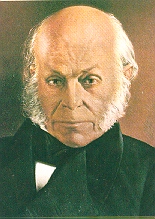
[Y]ou could not wear any kind of mustache after [WWII], because, running from Hitler, you might run into Stalin. Hitler plus Stalin ended the career of the mustache in Western political life. Before the war, all kinds of American presidents wore a mustache and/or beard. You had John Quincy Adams, with his muttonchops...Are we going to decide who deserves out trust based on they look? Come on, Abe. Lose the beard. Okay.
You had Abe Lincoln, whose facial hair...
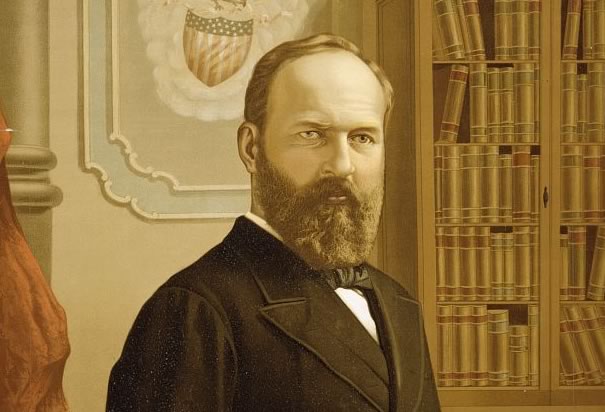
... like his politics, was the opposite of Hitler's: beard full, lip bare. You had James Garfield, who had the sort of vast rabbinical beard into which whole pages of legislation could vanish.
You had Rutherford B. Hayes...
Grover Cleveland...
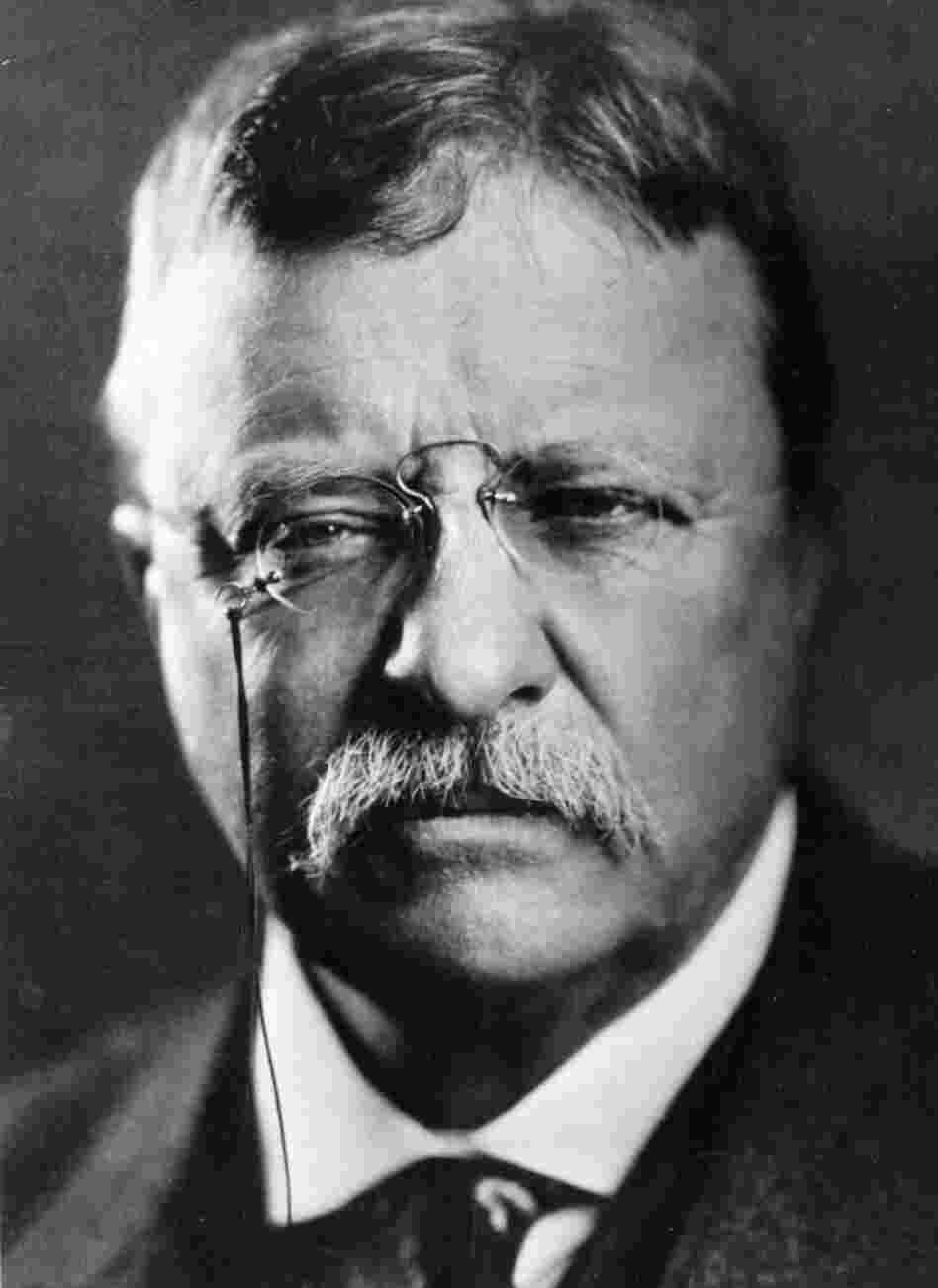
... and Teddy Roosevelt, whose asthma and elephant gun were just a frame for his mustache.
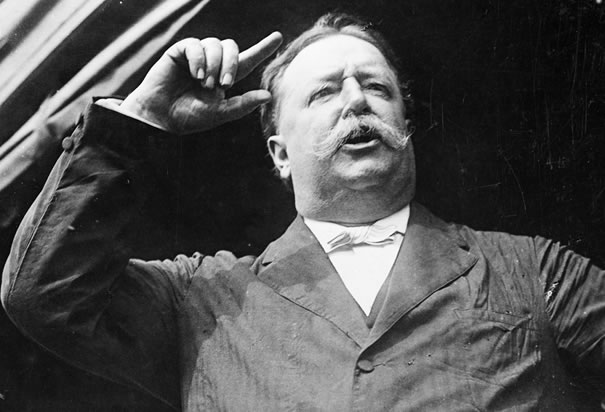
You had William Howard Taft — the man wore a Walrus!
After the war, the few American politicians who still wore a mustache were those who had made their name before Hitler and so had been grandfathered in. Like Thomas Dewey.
Dewey was Eliot Spitzer. He was a prosecutor in New York in the 1930s (and later governor), the only guy with the guts to take on the Mob. For Dewey, the rise of Hitler was a fashion disaster. Because Dewey wore a neat little mustache. Dewey ran for president twice — losing to F.D.R., losing to Truman. In my opinion, without the mustache, the headline in the Chicago Daily Tribune (Dewey Defeats Truman) turns true. One of the few prominent American politicians to wear facial hair in recent memory is Al Gore, who grew a Grizzly Adams beard after he lost to George Bush, in 2000. The appearance of this beard was taken to mean either (1) Gore would never again run for office, or (2) Gore had gone completely mental.
The decision to grow a mustache or a beard is all by itself reason to keep a man away from the nuclear trigger.





Pick one:


